How Much Exercise Does Your Dog Really Need?
Every dog needs daily movement, but the right amount is not the same for every pup. Age, breed, health, size, personality, weather, and routine all matter. The goal is not simply to tire your dog out. The goal is to help them feel balanced, healthy, calm, and fulfilled.
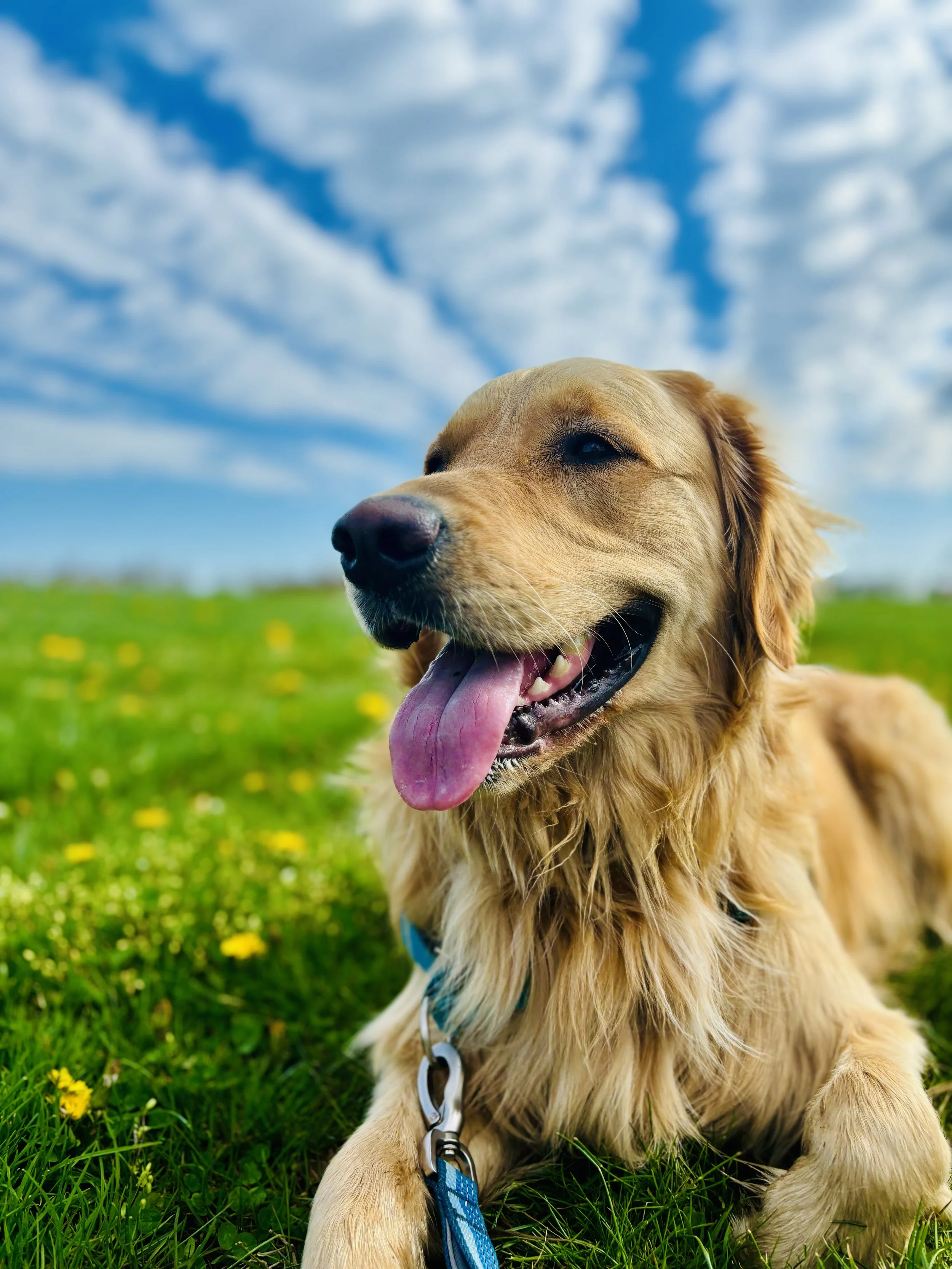
The best exercise routine is built around the dog in front of you.
One of the most common questions dog owners ask is simple: how much exercise does my dog actually need? The honest answer is that there is no single perfect number. A young, high energy dog may need a very different day than a senior dog, a small companion breed, a puppy, or a dog who gets overwhelmed easily.
Exercise should support the whole dog.
A healthy routine includes more than steps and mileage. Dogs need movement, sniffing, mental enrichment, safe social outlets, rest, and a predictable rhythm that helps them settle after activity.
A simple starting point
Most dogs need a thoughtful daily mix of activity and rest.
These ranges are not rigid rules. They are starting points. Your dog’s ideal routine may be shorter, longer, slower, or more enrichment focused depending on who they are.
Gentle daily movement
Some small breeds, older dogs, or lower energy dogs may do well with shorter walks, gentle sniff time, and calm enrichment spread throughout the day.
A balanced everyday routine
Many adult dogs do well with a combination of walks, sniffing, structured play, training games, and downtime after activity.
More outlets and variety
Athletic, working, herding, or highly driven dogs often need more than a quick walk. They may need longer outings, play, training, scent work, and recovery built in.
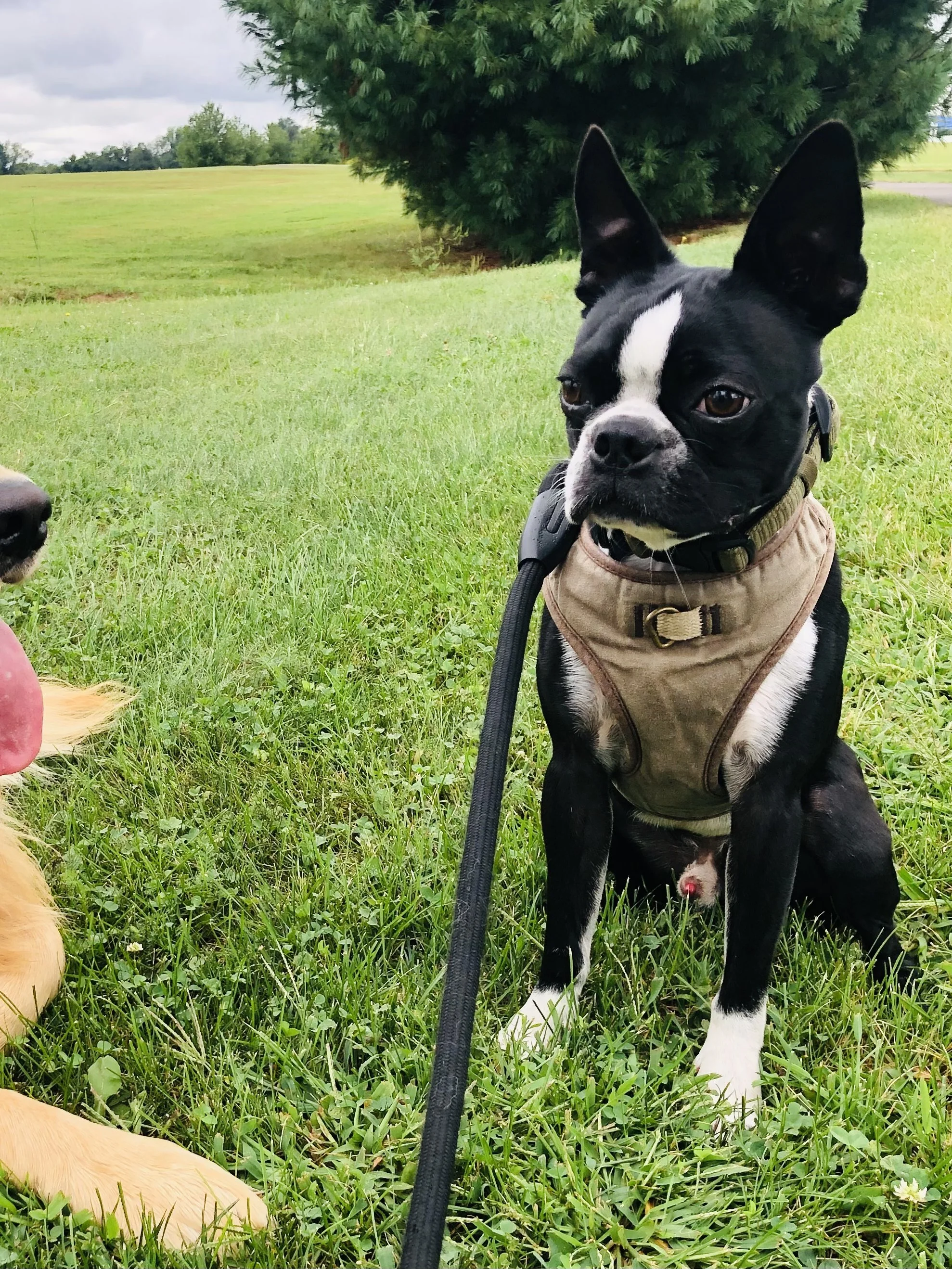
A walk is exercise, enrichment, and information.
For dogs, a walk is not only about covering distance. It is also a chance to sniff, explore, process the world, build confidence, and return home more settled.
What changes the answer
The right amount depends on your dog.
Instead of chasing a perfect number, look at the full picture. The best exercise plan is the one that matches your dog’s body, mind, and temperament.
Age
Puppies usually need shorter, more frequent sessions because they are still growing and learning. Adult dogs often need more consistent daily activity. Senior dogs still benefit from movement, but may need a gentler pace and more recovery.
Breed and body type
A high drive working dog and a lower energy companion breed can have very different needs. Short nosed dogs, short legged dogs, and dogs with heavy coats may also need extra care in heat or humidity.
Health and mobility
Dogs with joint discomfort, weight concerns, breathing issues, injuries, or medical conditions may need a plan designed with your veterinarian. Sometimes the best exercise is slower, softer, and more frequent.
Personality and stress level
Some dogs are energized by busy places and social play. Others are calmer and happier with quiet walks, familiar routes, sniff time, and one on one attention.
Weather
Hot pavement, humidity, ice, storms, and extreme temperatures can change what a safe exercise day looks like. On tough weather days, enrichment and shorter outings can help.
Recovery
Dogs need time to come back down after exciting activity. A dog who cannot settle may need a calmer routine, more sniffing, or less stimulation rather than more intensity.
A better daily rhythm
Think in layers, not one long walk.
Many dogs do best when activity is spread across the day. That does not mean every dog needs hours of running. It means each part of the day should serve a purpose.
Morning reset
A walk or potty outing with sniff time helps your dog start the day with movement and information.
Midday enrichment
A shorter walk, play session, puzzle, lick mat, or chew can help break up the day.
Afternoon outlet
This may be a longer walk, playgroup, fetch, training game, or adventure depending on your dog.
Evening calm
Gentle movement, sniffing, and quiet time help your dog settle instead of ending the day overstimulated.
Reading your dog
Signs your dog may need more, less, or different exercise.
Your dog’s behavior can tell you a lot about whether their routine is working.
Restlessness after a normal day
Pacing, attention seeking, chewing, digging, barking, or difficulty settling may mean your dog needs more appropriate outlets. It may also mean they need more mental enrichment, not just more speed or distance.
Too tired, sore, or slow to recover
Lagging behind, limping, refusing walks, excessive panting, stiffness, or needing a long time to recover can be signs that the routine is too much or too intense.
Excited but not satisfied
Some dogs get more wound up from constant high arousal play. They may need sniff walks, training games, decompression time, or calmer enrichment instead of another round of chase.
Relaxed after activity
A dog who can enjoy movement, explore, engage, and then settle afterward is usually getting a healthier balance of exercise, stimulation, and rest.
The goal is not to exhaust your dog. The goal is to help them feel fulfilled.
Walks. Sniffing. Play. Enrichment. Rest.Products we love
The exercise and enrichment toolkit.
A few simple tools can help make movement, training, enrichment, and safe adventure easier to build into everyday life.
Chuckit! Ball
A favorite for dogs who love fetch, movement, and interactive play. Best used in safe spaces and in moderation so dogs still get time to sniff and settle.
Shop BallLick Mat
A simple option for slower enrichment after a walk, during downtime, or on days when weather limits outdoor activity.
Shop Lick MatWest Paw Toppl
Great for turning meals or treats into a mentally engaging activity that can help dogs work their brain without high impact movement.
Shop TopplBeef Liver Treats
A high value, single ingredient treat that can support recall practice, leash manners, training games, and rewarding calm behavior.
Shop TreatsDog Seat Belt
Helpful for dogs who travel to walks, trails, playgroups, or adventures. This option attaches around the headrest.
Shop Headrest OptionMetal Buckle Seat Belt
Another useful travel option to keep on hand if you prefer a metal buckle connection for everyday rides and adventure days.
Shop Buckle Option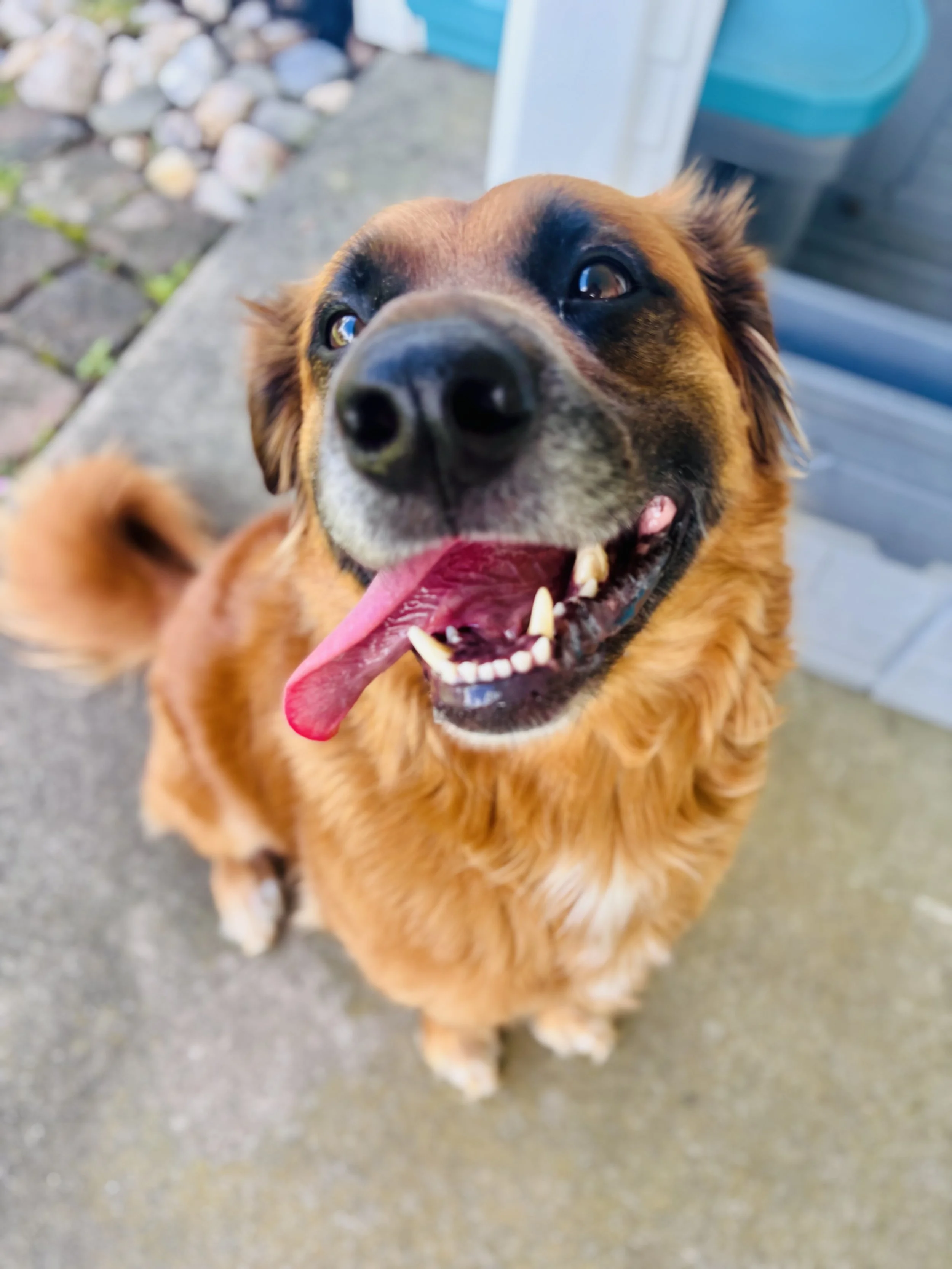
Every dog’s best day looks a little different.
Some dogs need a peaceful neighborhood walk. Some need more active play. Some need a safe social outlet. Some need slow sniffing and a calm ride home. The right routine is the one that helps your dog feel healthy, secure, fulfilled, and able to relax afterward.
At GoldPaw, we get to know each dog’s personality, energy level, comfort zone, and routine so every visit supports what they need that day.